
Top 5 Myths About Dermal Fillers — Busted by Experts
In the world of cosmetic enhancements, dermal fillers have long been a subject of fascination and misunderstanding. From promises of instant youth to rumors of unnatural results, myths about injectables abound. For those considering filler treatments, separating fact from fiction is essential. At POUTx, our commitment is to honest, expert-driven care that respects each individual’s facial structure, goals, and safety.
In this post, we address dermal filler myths that often discourage or mislead people and show how a responsible approach can deliver beautiful, natural-looking fillers when handled correctly.
Myth 1: “Fillers Will Make You Look Fake or Overdone”
The Myth
One of the most common concerns with fillers is the fear of looking “fake,” “puffy,” or “overfilled.” Many people imagine dramatic, exaggerated results sculpted cheeks, oversized lips, or distorted features.
The Reality
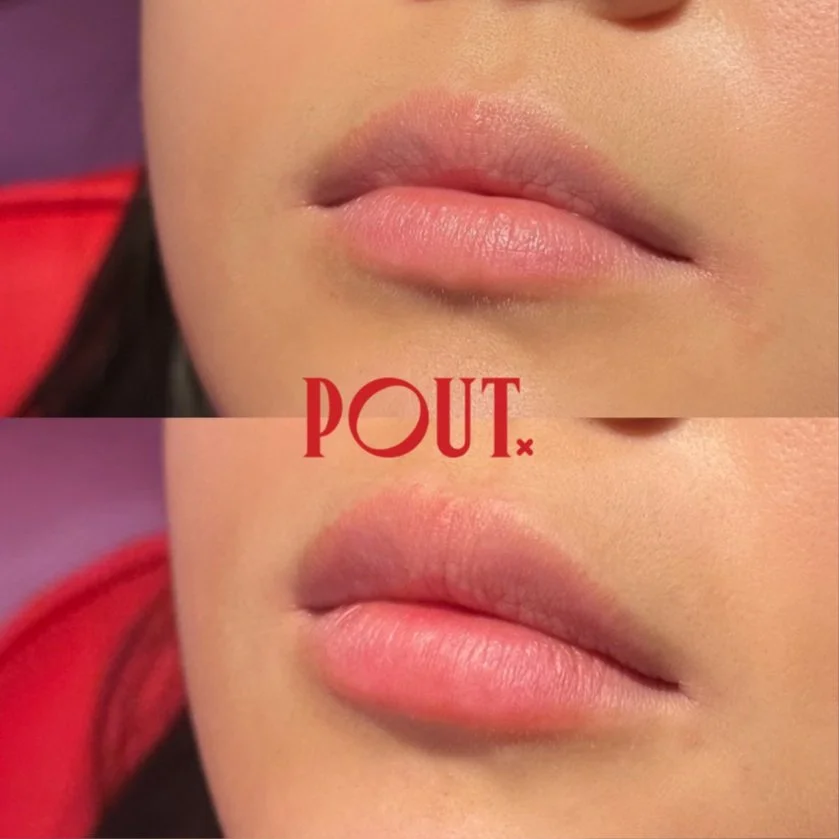
When fillers are used thoughtfully by an experienced injector, the result can be subtle, balanced, and harmonious. The goal isn’t to change your face, it's to refine it. In fact, when done right, many people around you might only think you look refreshed or more youthful, never suspecting injectable work.
Modern fillers, especially hyaluronic acid (HA) fillers integrate smoothly with facial tissue, restoring lost volume or enhancing contours while preserving natural proportions.
Overfilled or unnatural results are usually due to poor technique, incorrect product choice, or excessive volume not filler itself.
Skilled practitioners emphasize subtlety and balance: using the least amount of filler required, placed precisely, to enhance features without distortion.
What Patients Should Do
If you decide to go for fillers:
Choose a trained, certified, medically qualified injector who understands facial anatomy.
Aim for subtle enhancements. Consider starting small, and add more only if truly needed.
Focus on overall facial harmony not drastic changes.
With that approach, fillers can enhance your natural beauty rather than compromise it.
Myth 2: “Dermal Fillers Are Permanent — Once Injected, You’re ‘Stuck’”
The Myth
A common misconception is that once you get filler, you’re permanently altered. People worry about having a “forever filler face.”
The Reality
For most dermal fillers, especially HA fillers results are temporary and reversible.
HA fillers are broken down gradually by the body over time often within 6 to 18 months.
If desired, they can be dissolved sooner using a safe enzyme (like hyaluronidase) — returning your appearance to near-original state.
Because fillers are not permanent, you retain flexibility: you can adjust treatments, maintain subtlety, or decide not to continue.
What That Means for You
If you value flexibility over permanence, dermal fillers can be a smart choice. You’re not locked into a look and you can adapt as your preferences or facial dynamics evolve.
Myth 3: “Fillers Are Dangerous / Unsafe / Toxic”
The Myth
Fear of injection-based treatments often centers on safety: Are fillers toxic? Are they inherently risky?
The Reality
When administered properly, dermal fillers, especially HA fillers, are widely regarded as safe.
HA is a substance already naturally present in the human body. This biocompatibility reduces the risk of allergic reaction or rejection.
Adverse effects are rare when treatment is done by qualified professionals using approved products in a sterile environment, and following proper aftercare.
Common side effects (e.g. temporary swelling, bruising) are usually mild and resolve quickly.
What Matters: Expertise, Product Quality, and Honest Consultation
The safety of fillers hinges less on the filler itself, and more on three factors:
The expertise and qualifications of the injector. Only trained, medically knowledgeable professionals should perform filler treatments.
The use of authentic, approved filler products ideally HA-based fillers.
A realistic, transparent consultation that sets expectations and assesses suitability.
So long as those conditions are met, facial filler safety is well within reach and the treatment can be both effective and low-risk.
Myth 4: “One Filler Treatment Can Fix Anything — Even Major Structural or Sagging Issues”
The Myth
Some believe fillers are a magic solution that can solve any aesthetic issue from wrinkles and fine lines to sagging skin, hollow cheeks, or even serious signs of aging.
The Reality
Fillers are powerful, but they have limitations. They can restore volume, smooth wrinkles, enhance contours but they cannot replace what structural problems or advanced aging demand. Experts often warn that there comes a point when non-surgical, non-invasive treatments are no longer enough.
For significant skin laxity, dramatic facial sagging, loose skin, or loss of structural support fillers alone may not achieve optimal results.
A facelift or surgical approach may be the right solution when volume loss is coupled with skin laxity and structural changes.
An honest expert consultation helps determine when fillers are enough and when surgical options or alternative treatments should be considered.
Why Expert Guidance Matters
At POUTx, we believe in transparent communication. If your needs surpass what fillers can safely and realistically deliver, we will guide you toward the appropriate solution rather than oversell filler as a cure-all. Choosing a qualified, honest professional ensures ethical treatment and protects long-term facial health.
Myth 5: “Once You Start Fillers — You Can Never Stop or It Will Look Worse”
The Myth
Some worry that starting filler treatments is a lifelong commitment that once you begin, you’ll need ongoing treatments, and stopping might make your face sag or worse.
The Reality
This myth conflates filler with permanent, unadjustable change. The truth is quite the opposite:
Because filler results (especially HA fillers) eventually wear off, if you stop treatments your face will gradually return to its pre-treatment state and not deteriorate.
There is no inherent “dependency.” Fillers are tools of optional enhancements not permanent implants requiring continuous upkeep.
The concept that stopping fillers causes worse aging or sagging is unfounded and not supported by reliable evidence.
The Advantage of Freedom and Flexibility
If you view fillers as optional enhancements rather than a permanent transformation, you remain in control. You can choose to refresh, adjust, or stop depending on how you feel. That flexibility is part of what makes fillers a safe, convenient, and patient-friendly option.
Why “Natural-Looking Fillers” Demand Expertise, Not Just Products
Across all myths, one theme remains clear: the difference between a good result and a poor one often lies in who performs the treatment, not the filler itself.
Dermal fillers (particularly HA fillers) can safely add volume, restore youthful contours, and provide natural-looking fillers when chosen carefully and applied skillfully.
The key ingredients of a successful outcome: medical training, anatomical understanding, aesthetic sensibility, honest consultation plus use of approved fillers and proper aftercare.
Overfilling, poor product quality, unqualified injectors, or unrealistic expectations lead to unnatural results, complications, or long-term dissatisfaction.
At POUTx, we believe in delivering subtle, refined results that respect your natural features. Our philosophy aligns with the ideal of enhancing not altering.
What Patients Should Ask Before Getting Fillers
To ensure safety, natural results, and long-term satisfaction, consider these steps before proceeding with filler treatment:
Consult with a qualified, experienced injector or medical professional — ideally with a deep understanding of facial anatomy.
Verify the filler type (e.g. HA filler), brand, and its regulatory approval. Avoid risky, unapproved products.
Have a clear discussion about goals and expectations — what can fillers realistically achieve, and when might alternative treatments (or even no treatment) be more appropriate.
Start conservatively — use minimal filler initially, and build up only as needed.
Understand aftercare and follow-up — know how to maintain results, watch for possible side effects, and opt for dissolving if results are not as desired.
With thoughtful planning and expert care, fillers become a safe, flexible, and effective tool for rejuvenation.
Conclusion
Dermal fillers are not magic and they are not villains. They are medical tools with great potential for subtle, balanced enhancement when administered with expertise, care, and honesty. By busting the top myths that fillers always look fake, are permanent, are unsafe, can fix anything, or trap you into lifetime commitment, we aim to demystify fillers and empower you to make informed choices.
If you value authenticity, harmony, and natural-looking fillers, the right filler treatment done by the right hands can help you look rejuvenated, balanced, and refreshed while preserving your unique facial identity. At POUTx, we stand by those standards. Book your consultation today and take the first step toward subtle, confident rejuvenation.
