
Can Botox Help TMJ Pain? Here’s What the Research Says
Jaw pain is often misunderstood. Many people assume it is only a dental issue. In reality, jaw discomfort is frequently linked to muscle tension. TMJ related pain is one of the most common reasons people experience jaw tightness, headaches, and facial fatigue.
At POUTx, jaw tension is viewed through a muscular and structural lens. Botox is not used as a cosmetic shortcut. It is used as a precise tool to address overactive muscles.
This article explains how Botox for TMJ related concerns and what that means for people dealing with chronic jaw tension.
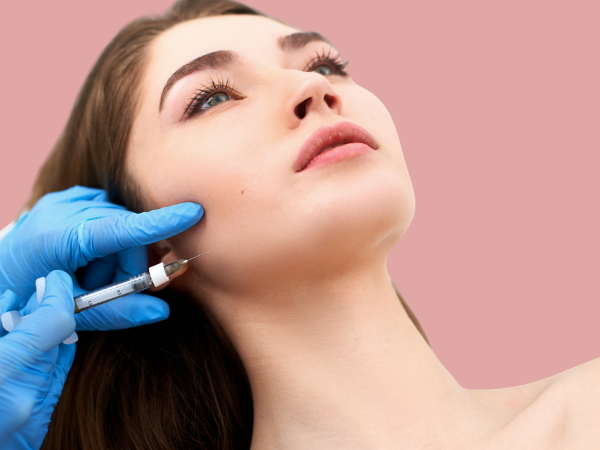
Understanding TMJ and Jaw Tension
TMJ refers to the temporomandibular joint. This joint connects the jaw to the skull and plays a role in chewing, speaking, and facial movement.
When the muscles around this joint become overactive, tension builds. This tension can lead to pain, stiffness, and discomfort.
At POUTx, jaw tension is not treated as a surface level issue. It is approached as a muscular imbalance that affects the lower face.
Common Signs of Jaw Muscle Overactivity
Jaw muscle tension does not always present the same way. Some people experience pain near the ears. Others notice tightness while chewing. Clenching and grinding are also common signs.
Over time, constant muscle activity can affect facial balance and comfort. This is where muscle focused treatment becomes relevant.
Why Jaw Muscles Become Overactive
Jaw muscles are strong by design. They are used throughout the day, often without conscious awareness.
Jaw muscle overactivity may increase due to:
Stress
Clenching
Habitual tension
When these muscles remain overworked, they can become bulky and tight. At POUTx, this muscular overactivity is considered a functional concern, not just an aesthetic one.
How Botox Is Used for TMJ at POUTx
Botox works by reducing excessive muscle activity. For TMJ related concerns, it is used to relax overactive jaw muscles.
This does not stop normal jaw function. It helps reduce constant tension and strain.
At POUTx, treatment is planned with precision. The goal is comfort and balance, not weakness.
Botox for TMJ Pain Relief
TMJ pain often comes from muscle fatigue. When muscles are constantly contracted, pain signals increase.
Botox helps interrupt this cycle by calming excessive contraction. This allows the jaw muscles to rest. As tension reduces, discomfort often becomes easier to manage.
This approach focuses on function as much as comfort.
Jaw Tension Treatment Beyond Pain Relief
Jaw tension does not only affect how the jaw feels. It can also influence facial proportions.
Overactive jaw muscles can appear bulky over time. At POUTx, treatment considers both comfort and facial harmony. Reducing excessive muscle activity can help the lower face appear more balanced. This is a secondary benefit, not the primary goal.
Precision Matters in TMJ Botox Treatment
Jaw muscles are powerful. That is why placement and dosing matter. At POUTx, Botox is administered with a mapped and controlled approach. This ensures the jaw continues to function normally.
The intention is subtle muscle relaxation, not loss of strength.
Is Botox a Cure for TMJ?
Botox is not presented as a cure. TMJ related discomfort often has multiple contributing factors.
Botox for TMJ helps reduce one major factor, muscle overactivity. At POUTx, realistic expectations are part of every consultation.
What a TMJ Consultation at POUTx Involves
A consultation focuses on understanding muscle activity. Jaw movement, tension patterns, and facial balance are assessed.
Treatment is recommended only when muscle overactivity is identified. This ensures Botox is used appropriately. Education is a key part of the process. To learn more about our clinic and patient experiences, view our Google Business Profile here.
Botox for TMJ vs Cosmetic Botox
The product may be the same, but the intent is different.
TMJ treatment focuses on function and comfort
Cosmetic Botox focuses on facial lines
At POUTx, both are approached with the same level of precision. The difference lies in assessment and planning.
Who May Benefit From Jaw Tension Treatment
People who clench or grind their teeth may experience jaw fatigue. Those with persistent tightness may benefit from muscle relaxation.
Not everyone with jaw pain is a candidate. That is why assessment is essential.
A Balanced Approach to Facial Muscles
At POUTx, the face is treated as a connected system. Jaw muscles influence the lower face, neck, and expression.
Treating them in isolation is avoided. This ensures results that feel natural and sustainable.
Safety and Subtlety in Treatment
Botox is used conservatively. The goal is to reduce excessive tension, not eliminate movement. This preserves comfort and normal function. Safety and anatomy guide every decision.
Understanding Your Options
Jaw tension can affect daily comfort. Managing it starts with understanding the cause. A muscle focused approach may be appropriate for some individuals. For more information on the connection between stress, TMJ, and facial tension, Click here.
A Calm Next Step
If jaw tightness or TMJ related discomfort is affecting your quality of life, a professional evaluation can help clarify whether muscle based treatment is suitable for you.
Booking a consultation allows for a detailed assessment of jaw muscle activity and facial balance. A personalized evaluation helps determine whether a muscle focused approach aligns with your needs.
You can book a consultation through the POUTx website to explore your options in a thoughtful and informed way.
Frequently Asked Questions
1. Can Botox help with TMJ pain?
Botox is used to reduce excessive jaw muscle activity that contributes to tension and discomfort.
2. Will Botox affect my ability to chew?
When done correctly, normal jaw function is maintained.
3. Is TMJ Botox only for cosmetic reasons?
No. At POUTx, it is approached as a functional muscle treatment.
4. How is jaw Botox different from facial Botox?
Jaw treatment focuses on muscle tension rather than facial lines.
5. Is everyone with TMJ pain suitable for Botox?
No. Treatment is recommended only after proper assessment.
